

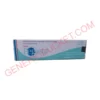


Pegstim Injection (Pegfilgrastim 6mg)
Price range: $120.00 through $335.00
| Country of Origin | india |
|---|---|
| Dosage Form | Injection |
| Generic Name | Pegfilgrastim |
| Indication | Prevention of Infections after chemotherapy |
| Packaging | 0.6 ml in 1 prefilled syringe |
| Manufacturer | Zydus Cadila Pharma |
| Composition | Pegfilgrastim (6mg) |
| Pegstim Injection (Pegfilgrastim 6mg) | |||
| Pack Size | Price | Price/Unit | Add To Cart |
| 1 Injection/s | $120.00 (120/unit) | $120 | |
| 2 Injection/s | $230.00 (115/unit) | $115 | |
| 3 Injection/s | $335.00 (111.67/unit) | $111.67 | |
Pegstim Injection is a prescription medicine containing pegfilgrastim, a long-acting granulocyte colony-stimulating factor (G-CSF) used to reduce the risk of infection associated with chemotherapy-induced neutropenia. If your cancer treatment lowers your neutrophil count, your healthcare professional may prescribe this medicine to help your bone marrow produce more infection-fighting white blood cells.
It is important to understand that this medicine does not cure cancer and does not directly treat an infection. Instead, it supports your body’s natural defenses during certain cancer treatments. Your oncologist determines whether pegfilgrastim is appropriate according to your chemotherapy regimen, medical history, blood counts, and infection risk.
What Is Pegstim Injection?
Pegstim contains pegfilgrastim, a long-acting form of filgrastim. Available product information identifies Pegstim 6 mg as a pegfilgrastim product, commonly supplied in a prefilled syringe. Pegfilgrastim belongs to the G-CSF class of medicines. It acts on receptors involved in blood-cell production and stimulates the bone marrow to increase the production and release of neutrophils.
Neutrophils play an essential role in protecting the body against bacterial and fungal infections. Chemotherapy can temporarily suppress bone-marrow activity, causing neutropenia. When neutrophil levels become too low, the risk of serious infection can increase. A physician may therefore use pegfilgrastim as supportive therapy around appropriate chemotherapy cycles.
Uses and Benefits
The primary purpose of Pegstim Injection is to reduce the risk of infection caused by chemotherapy-related neutropenia. By supporting neutrophil production, pegfilgrastim can help shorten the period during which a patient has dangerously low neutrophil levels.
Your healthcare team may consider this treatment when your chemotherapy regimen carries a significant risk of febrile neutropenia. The exact decision depends on the type of cancer, chemotherapy medicines, treatment intensity, previous blood-count results, age, other medical conditions, and overall clinical risk.
An important benefit of this long-acting G-CSF is that it can provide sustained stimulation of neutrophil production, allowing it to be used around chemotherapy cycles rather than requiring the same frequent administration schedule as some shorter-acting growth factors.
How Pegstim Injection Works
After administration, pegfilgrastim stimulates cells in the bone marrow involved in neutrophil production. This increases the development, maturation, and release of neutrophils into the bloodstream.
Because chemotherapy schedules vary, timing matters. Pegfilgrastim is generally administered after chemotherapy rather than immediately before or at the same time as cytotoxic chemotherapy. A commonly used schedule is approximately 24 hours after chemotherapy, but your oncologist should provide the exact timing for your treatment plan.
Never change the timing or dose yourself. Follow the prescription and administration instructions supplied by your oncology team.
How It Is Given
Pegstim Injection is administered subcutaneously, meaning it goes under the skin. A healthcare professional may administer it, or selected patients may receive appropriate training for administration at home.
If your healthcare provider permits home administration, carefully follow the instructions for injection technique, handling, and disposal of the syringe. Do not use a damaged syringe or a product that appears abnormal. Do not share your injection with another person.
The medicine should remain refrigerated according to its product-specific storage instructions. Available product information for Pegstim states storage at 2–8°C and advises against freezing. Always follow the storage instructions on your actual package because handling requirements can vary by product presentation.
Common Side Effects
Like all prescription medicines, Pegstim Injection can cause side effects. Commonly reported effects include bone pain, muscle or joint pain, headache, nausea, back pain, and pain or redness at the injection site.
Bone pain occurs because the medicine stimulates increased activity in the bone marrow. Tell your healthcare professional if pain becomes severe, persistent, or difficult to manage.
Seek urgent medical attention for serious symptoms such as difficulty breathing, severe allergic symptoms, sudden or severe abdominal or left-upper-abdominal pain, unusual swelling, or other symptoms that concern you. Rare but serious complications associated with pegfilgrastim include splenic enlargement or rupture, serious hypersensitivity reactions, acute respiratory distress syndrome, capillary leak syndrome, and kidney inflammation.
Important Safety Information
Before receiving Pegstim Injection, tell your doctor about allergies to pegfilgrastim, filgrastim, or any ingredient in the product. Also provide a complete list of prescription medicines, over-the-counter products, vitamins, and supplements you use.
Tell your healthcare professional if you have previously experienced problems involving your spleen, kidneys, lungs, or blood cells. Your clinician may order blood tests to monitor your response to treatment and determine whether additional treatment is needed.
Pregnancy and breastfeeding require individualized medical advice. Tell your healthcare provider if you are pregnant, planning pregnancy, or breastfeeding before receiving treatment. Do not start or stop any medicine without professional guidance.
Why Prescription Guidance Matters
Because Pegstim Injection is a prescription oncology-support medicine, patients should not purchase or use it solely on the basis of online information. Your oncologist needs to determine whether your chemotherapy regimen warrants pegfilgrastim and when you should receive it.
For patients who have a valid prescription, obtain the medicine through a legitimate pharmacy and verify the product, strength, expiry date, packaging integrity, and storage conditions. Ask your pharmacist any questions before administration.
Frequently Asked Questions
1. What is Pegstim Injection used for?
It is used to reduce the risk of infection associated with chemotherapy-induced neutropenia by stimulating the production of neutrophils.
2. Does Pegstim Injection treat cancer?
No. Pegstim contains pegfilgrastim and provides supportive treatment. It does not directly destroy cancer cells or cure cancer.
3. How does pegfilgrastim work?
It stimulates the bone marrow to increase the production and release of neutrophils, helping restore an important part of the body’s infection-fighting defenses.
4. When is Pegstim Injection usually given?
It is commonly administered after chemotherapy, often around 24 hours later, depending on the chemotherapy regimen and your doctor’s instructions.
5. What are the common side effects?
Bone pain, joint or muscle pain, headache, nausea, back pain, and injection-site discomfort are among the commonly reported effects.
Be the first to review “Pegstim Injection (Pegfilgrastim 6mg)”
Related products
Anti Cancer

Anti Cancer
Anti Cancer

Anti Cancer

Anti Cancer
Anti Cancer

Anti Cancer
Anti Cancer
Anti Cancer

Anti Cancer

Anti Cancer
Anti Cancer
Reviews
There are no reviews yet.