
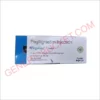



Pegasta Injection (Pegfilgrastim 6mg)
Price range: $94.00 through $265.00
| Country of Origin | india |
|---|---|
| Dosage Form | Injection |
| Generic Name | Pegfilgrastim |
| Indication | Prevention of Infections after chemotherapy |
| Packaging | 0.6 ml in 1 prefilled syringe |
| Manufacturer | Intas Pharmaceuticals Ltd |
| Composition | Pegfilgrastim (6mg) |
| Pegasta Injection (Pegfilgrastim 6mg) | |||
| Pack Size | Price | Price/Unit | Add To Cart |
| 1 Injection/s | $94.00 (94/unit) | $94 | |
| 2 Injection/s | $182.00 (91/unit) | $91 | |
| 3 Injection/s | $265.00 (88.33/unit) | $88.33 | |
Pegasta Injection is a prescription medicine containing pegfilgrastim 6 mg, a long-acting granulocyte colony-stimulating factor (G-CSF) used to help reduce the risk of serious infections associated with chemotherapy-induced neutropenia. Rather than treating cancer itself, this medicine supports the body’s recovery of infection-fighting neutrophils after chemotherapy.
When chemotherapy lowers the number of neutrophils in the blood, the immune system may become less able to fight bacteria and other infections. Pegasta Injection works by stimulating blood-forming cells in the bone marrow so the body can produce more neutrophils. This supportive treatment can help doctors manage the infection risk associated with certain chemotherapy regimens.
How Pegasta Injection Works
The active ingredient, pegfilgrastim, acts on receptors associated with blood-forming cells in the bone marrow. It promotes the production and maturation of neutrophils, which are white blood cells that play an important role in defending the body against infection.
Because pegfilgrastim is long-acting, physicians commonly administer one dose during a chemotherapy cycle rather than requiring frequent short-acting G-CSF injections. The timing must follow the chemotherapy schedule prescribed by the treating oncology team. Pegasta Injection is commonly administered subcutaneously, generally after chemotherapy rather than immediately before or during cytotoxic chemotherapy.
Uses and Potential Benefits
The primary purpose of Pegasta Injection is to reduce the risk of infection related to chemotherapy-associated neutropenia. Your oncologist may consider pegfilgrastim when your chemotherapy regimen creates a clinically important risk of febrile neutropenia.
By supporting neutrophil recovery, Pegasta Injection may help your healthcare team maintain the planned chemotherapy schedule when clinically appropriate. However, the medicine does not eliminate every infection risk, and patients should continue following infection-prevention instructions from their oncology team.
It is important to understand that Pegasta Injection does not directly destroy cancer cells and should not be described as a cancer cure. Instead, it provides supportive care that helps manage one of the important blood-related complications of certain cancer treatments.
Administration and Dosage
A healthcare professional should determine the appropriate dose, timing, and duration of Pegasta Injection. The product is available as pegfilgrastim 6 mg, and sources describing the product report administration as a subcutaneous injection.
Do not change the prescribed dose or injection schedule yourself. The timing relative to chemotherapy matters, so patients should follow their oncologist’s instructions precisely. If your healthcare professional has taught you how to administer the medicine at home, follow the supplied instructions carefully and use only the prescribed dose.
Storage and Handling
Proper storage protects the quality of Pegasta Injection. Product information states that it should be refrigerated at 2°C–8°C and should not be frozen.
Keep the medicine protected according to the manufacturer’s storage instructions and check the packaging for specific handling requirements. Do not use a damaged, improperly stored, expired, or visibly altered product without consulting a pharmacist or healthcare professional.
Common Side Effects
Some patients receiving Pegasta Injection may experience bone pain, joint or muscle pain, headache, nausea, or discomfort, redness, or pain where the injection was administered.
Bone pain occurs because the medicine stimulates the bone marrow to increase blood-cell production. Your healthcare professional can advise you about appropriate measures if side effects become troublesome.
Seek prompt medical attention for severe or unusual symptoms. Serious reactions can occur rarely, so patients should contact their healthcare team immediately if they develop significant breathing difficulty, severe abdominal or upper-left-sided pain, marked swelling, or other concerning symptoms.
Important Precautions
Before receiving Pegasta Injection, tell your doctor about allergies, previous reactions to pegfilgrastim or filgrastim, kidney problems, heart problems, or other significant medical conditions. Your healthcare team may also order blood tests to monitor blood-cell counts and assess your response to treatment.
Tell your healthcare professionals about every prescription medicine, over-the-counter product, vitamin, and supplement you use. Never substitute another pegfilgrastim product or change strengths without medical advice.
Pregnancy and breastfeeding require individualized medical advice. Discuss your pregnancy status, plans for pregnancy, or breastfeeding with your oncologist before treatment.
Why Choose Pegasta Injection?
When prescribed for an appropriate chemotherapy regimen, Pegasta Injection provides long-acting G-CSF support to help the body restore infection-fighting neutrophils. Its role in supportive cancer care makes accurate dosing, appropriate timing, refrigeration, and professional supervision especially important.
If your doctor has prescribed Pegasta Injection, purchase it only through a legitimate, licensed pharmacy that requires a valid prescription where applicable. Verify the product name, strength, packaging, expiry date, and storage conditions before accepting the medicine. Because this is a prescription injectable medicine, ordering should follow the requirements of your local pharmacy and healthcare system.
Frequently Asked Questions
1. What is Pegasta Injection used for?
Pegasta Injection contains pegfilgrastim and is used to reduce the risk of serious infection associated with chemotherapy-induced neutropenia. It supports neutrophil production rather than directly treating cancer.
2. Is Pegasta Injection a cancer treatment?
No. Pegasta Injection is supportive therapy. It helps the bone marrow produce neutrophils and does not directly kill cancer cells.
3. How is Pegasta Injection administered?
A qualified healthcare professional generally gives it as a subcutaneous injection. Some patients may receive instructions for appropriate home administration.
4. When is Pegasta Injection given after chemotherapy?
The treating oncology team determines the exact schedule. It is generally administered after chemotherapy, with sources describing administration approximately 24 hours after completion of a chemotherapy cycle.
5. What are common side effects of Pegasta Injection?
Commonly reported effects include bone pain, muscle or joint aches, headache, nausea, and injection-site discomfort.
Be the first to review “Pegasta Injection (Pegfilgrastim 6mg)”
Related products

Anti Cancer

Anti Cancer

Anti Cancer
Anti Cancer

Anti Cancer

Anti Cancer

Anti Cancer
Anti Cancer

Anti Cancer

Anti Cancer

Anti Cancer
Anti Cancer
Reviews
There are no reviews yet.