
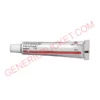
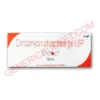


Ezanic 10% Cream (Azelaic acid 10%)
Price range: $34.00 through $110.00
| Country of Origin | india |
|---|---|
| Dosage Form | Cream |
| Equivalent Brand | Azelex |
| Generic Name | Azelaic Acid |
| Indication | Acne |
| Manufacturer | Intas Pharmaceuticals Ltd |
| Packaging | 15 gm in 1 tube |
| Composition | Azelaic Acid (10% w/w) |
| Ezanic 10% Cream (Azelaic acid 10%) | |||
| Pack Size | Price | Price/Unit | Add To Cart |
| 3 Tube/s | $34.00 (11.33/unit) | $11.33 | |
| 6 Tube/s | $60.00 (10/unit) | $10 | |
| 12 Tube/s | $110.00 (9.17/unit) | $9.17 | |
Azelaic acid belongs to a group of medicines known for their antibacterial, anti-inflammatory, and keratinization-regulating properties. When applied consistently, it can help reduce inflammatory pimples and prevent pores from becoming blocked. It may also help fade the dark marks that remain after acne heals. Ezanic 10% Cream therefore offers a useful topical option for people whose primary concerns include acne breakouts and post-acne discoloration.
How Ezanic 10% Cream Works
The active ingredient, azelaic acid, acts on several processes involved in common acne. It helps reduce the growth of certain bacteria associated with acne and helps normalize the formation of keratin within pores. This action can reduce the tendency of pores to become blocked and may gradually decrease new breakouts.
Azelaic acid also has anti-inflammatory activity, which can help calm redness and swelling associated with acne. In addition, it can interfere with excess pigment production in the skin, making it useful for some forms of hyperpigmentation. Results generally develop gradually rather than overnight, so regular use and realistic expectations are important.
Benefits and Uses
Healthcare professionals may recommend azelaic acid products for several skin concerns. Ezanic 10% Cream may help manage mild-to-moderate acne and support clearer-looking skin when used appropriately. It can help reduce pimples, improve the appearance of clogged pores, and decrease inflammation.
Another potential benefit involves post-inflammatory hyperpigmentation. Acne can leave brown or dark marks after the original blemish disappears. Azelaic acid may help these marks fade gradually by reducing abnormal pigment formation. It does not function as a bleaching agent, and it should not be expected to change your natural skin color.
People with sensitive or easily irritated skin should introduce topical treatments carefully. A healthcare professional can determine whether azelaic acid is appropriate and whether a lower frequency of application would be more suitable initially.
How to Use Ezanic 10% Cream
Before applying the cream, gently wash the affected area with a mild cleanser and allow the skin to dry. Apply a thin layer to the affected areas as directed by your healthcare professional. Avoid applying excessive amounts because more medicine does not necessarily produce faster results and may increase irritation.
Wash your hands before and after application unless you are treating your hands. Keep the product away from the eyes, lips, inside of the nose, and other sensitive areas. If accidental contact occurs, rinse the affected area thoroughly with water.
Follow the prescribed schedule consistently. Do not stop treatment immediately simply because your skin has not improved within a few days. Acne and pigmentation often require several weeks of regular treatment before noticeable improvement occurs.
Related Product
Possible Side Effects and Precautions
Some people may experience temporary skin irritation after starting azelaic acid. Possible effects include burning, stinging, itching, dryness, redness, peeling, or mild irritation at the application site. These effects may improve as the skin becomes accustomed to treatment.
Stop using the product and seek medical advice if you develop severe irritation, significant swelling, blistering, difficulty breathing, or other signs of a serious allergic reaction. Do not apply the cream to broken, severely irritated, or sunburned skin unless your healthcare professional specifically advises you to do so.
Tell your healthcare professional about other topical products you use. Combining several irritating acne treatments, exfoliants, or strong cosmetic products may increase dryness and irritation. Use sunscreen during the day because protecting the skin from ultraviolet exposure can help prevent pigmentation from becoming more noticeable.
Who Should Use It?
Ezanic 10% Cream should be used by people for whom azelaic acid is considered appropriate by a healthcare professional. It is particularly relevant when acne, clogged pores, inflammation, or post-acne discoloration is part of the treatment goal.
Do not use it if you have previously experienced an allergic reaction to azelaic acid or any ingredient in the formulation. Pregnant or breastfeeding individuals should discuss topical treatment with their healthcare professional before use.
Storage and Handling
Store the cream according to the manufacturer’s instructions, generally at room temperature and away from excessive heat and moisture. Keep the container properly closed and out of reach of children. Do not use the product after its expiration date or if its appearance or consistency has changed unexpectedly.
Frequently Asked Questions
What is Ezanic 10% Cream used for?
It contains azelaic acid and may be used to manage acne and certain forms of uneven pigmentation. Your healthcare professional should confirm whether it is suitable for your particular skin condition.
Can Ezanic 10% Cream remove acne marks?
Azelaic acid can help reduce the appearance of some post-acne dark marks by affecting excess pigment production. Improvement usually occurs gradually with consistent use.
How long does it take to work?
Skin improvement varies between individuals. Acne may require several weeks of consistent treatment, while pigmentation can take longer to fade. Follow your prescribed treatment schedule.
Can I use makeup while using it?
Generally, makeup can be used once the cream has absorbed, provided the cosmetic product does not irritate your skin. Choose non-comedogenic products when acne is a concern.
Can I apply it around my eyes?
No. Avoid the eye area and other sensitive mucous membranes. If the product enters your eyes, rinse thoroughly with water.
Be the first to review “Ezanic 10% Cream (Azelaic acid 10%)”
Related products






Acne

Reviews
There are no reviews yet.