

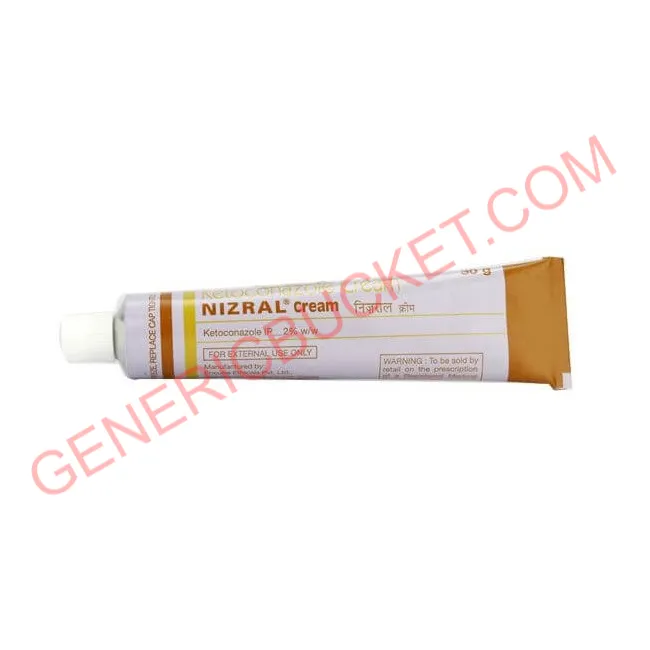

Nizral Cream (ketoconazole 2%) 30gm
Price range: $40.00 through $135.00
| Country of Origin | India |
|---|---|
| Dosage Form | Cream |
| Equivalent Brand | Nizoral Cream |
| Generic Name | Ketoconazole |
| Indication | Fungal infections |
| Manufacturer | Janssen Pharmaceuticals, India |
| Packaging | 30 gm in 1 tube |
| Composition | Ketoconazole (2% w/w) |
| Pack Size | 3 Cream/s, 6 Cream/s, 12 Cream/s |
| Nizral Cream (ketoconazole 2%) 30gm | |||
| Pack Size | Price | Price/Unit | Add To Cart |
| 3 Cream/s | $40.00 (13.33/unit) | $13.33 | |
| 6 Cream/s | $75.00 (12.5/unit) | $12.5 | |
| 12 Cream/s | $135.00 (11.25/unit) | $11.25 | |
Nizral Cream is an antifungal topical medicine used to help treat certain fungal infections of the skin, including conditions that may cause itching, redness, scaling, or discomfort. If you are looking for targeted treatment for a fungal skin infection, understanding how this cream works, how to apply it correctly, and when to seek medical advice can help you use it safely and effectively.
What Is Nizral Cream?
Nizral Cream is a topical antifungal product associated with ketoconazole, an antifungal medicine that works against susceptible fungi and yeasts. Healthcare professionals may recommend topical ketoconazole for fungal skin conditions such as athlete’s foot, ringworm, jock itch, and certain yeast-related skin infections. The exact indication depends on the formulation, strength, and product labeling.
Fungal infections often thrive in warm, moist areas of the body. They can affect the feet, groin, body folds, or other areas of the skin. Symptoms may include itching, burning, redness, scaling, cracking, or an expanding rash. An appropriate antifungal treatment can help control the organisms responsible for the infection while the skin gradually returns to normal.
How Nizral Cream Works
Ketoconazole belongs to a group of medicines called azole antifungals. It interferes with the production of ergosterol, an important component of fungal cell membranes. By disrupting this process, the medicine can inhibit the growth and survival of susceptible fungi.
This action makes topical ketoconazole useful for several superficial fungal infections. However, not every rash results from a fungus. Eczema, psoriasis, bacterial infections, allergic reactions, and other skin conditions can produce similar symptoms. Therefore, you should not assume that every itchy or red rash requires an antifungal cream.
Uses of Nizral Cream
A healthcare professional may recommend topical ketoconazole for appropriate fungal or yeast infections affecting the skin. Depending on the specific product, treatment may be used for conditions such as ringworm of the body, athlete’s foot, jock itch, or cutaneous candidiasis.
Some ketoconazole formulations are also used for other fungal skin conditions, but the cream should only be used according to its approved labeling or your healthcare professional’s instructions. Do not apply it to an infection that requires oral or systemic treatment unless a clinician has specifically advised you to do so.
Related Product
How to Apply Nizral Cream
Before applying the medicine, wash the affected area gently and dry it thoroughly. Apply a thin layer to the affected skin and, when directed by the product instructions, the surrounding area. Wash your hands before and after application unless your hands themselves require treatment.
Use the medicine for the full recommended duration, even if the symptoms begin to improve earlier. Stopping treatment too soon can allow the infection to persist or return. Avoid applying excessive amounts because using more cream does not necessarily make the infection disappear faster and may increase skin irritation.
Do not cover the treated area with an airtight dressing unless your healthcare professional specifically tells you to do so. Keep the affected area clean and dry, and change clothing, socks, or towels regularly when appropriate to reduce moisture and reinfection.
Benefits and Expected Results
The primary benefit of Nizral Cream is targeted antifungal action on susceptible organisms affecting the skin. As the fungal burden decreases, symptoms such as itching, scaling, redness, and discomfort may gradually improve.
Improvement does not always occur immediately. Follow the recommended treatment schedule and monitor the affected area. If symptoms worsen, spread, or fail to improve within the expected treatment period, consult a healthcare professional rather than repeatedly extending treatment on your own.
Safety and Precautions
Use Nizral Cream only on the skin and according to the product directions. Avoid contact with the eyes, mouth, and other sensitive areas. If accidental eye contact occurs, rinse thoroughly with clean water.
Do not use the product if you have previously experienced an allergic reaction to ketoconazole or any ingredient in the formulation. Stop using it and seek medical advice if you develop significant swelling, blistering, severe irritation, or symptoms suggesting an allergic reaction.
Tell your healthcare professional about other medicines and skin products you use, particularly if you have an extensive skin condition, broken skin, or a history of medication allergies.
Possible Side Effects
Topical ketoconazole can cause local reactions in some people. Possible effects include burning, itching, irritation, redness, dryness, or stinging at the application site. These reactions may be temporary, but persistent or severe symptoms warrant medical advice.
Seek urgent medical attention if you experience signs of a serious allergic reaction, such as difficulty breathing, severe facial swelling, or widespread hives.
Tips for Preventing Fungal Skin Infections
Good hygiene can support treatment and reduce recurrence. Keep skin folds and feet dry, change damp clothing promptly, avoid sharing towels or personal items, and wear breathable footwear when appropriate. After bathing, dry carefully between the toes and within skin folds.
If you have athlete’s foot, avoid walking barefoot in communal wet areas such as public showers or locker rooms. These simple measures can complement antifungal treatment and help reduce the likelihood of reinfection.
Frequently Asked Questions
Is Nizral Cream used for fungal infections?
Yes. Topical ketoconazole products are used to treat certain superficial fungal and yeast infections of the skin. The specific uses depend on the product formulation and approved labeling.
How long does Nizral Cream take to work?
Some symptoms may improve before the infection has completely cleared. Continue treatment for the recommended duration rather than stopping as soon as itching or redness decreases.
Can I use Nizral Cream on my face?
Only use it on facial skin when the product labeling or a healthcare professional recommends it. Facial rashes have many possible causes, and an incorrect treatment can worsen irritation or delay the correct diagnosis.
Can I use it for itching without knowing the cause?
It is better to identify the cause before treating persistent itching. Fungal infections can resemble eczema, dermatitis, and other conditions, so seek professional advice when the diagnosis is uncertain.
What should I do if my symptoms do not improve?
Contact a healthcare professional if the infection becomes worse, spreads, repeatedly returns, or fails to improve with appropriate treatment. You may need a different diagnosis or treatment.
Related products

Anti fungal
Anti fungal
Anti fungal
Anti fungal
Anti fungal

Anti fungal
Anti fungal
Anti fungal
Anti fungal
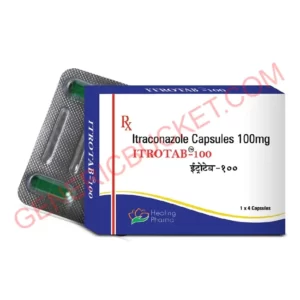
Anti fungal
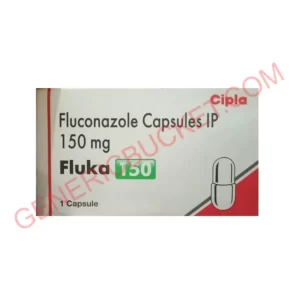
Anti fungal
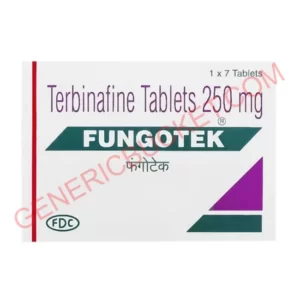
Anti fungal