
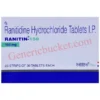


Ranitin 300mg Tablet (Ranitidine 300mg)
Price range: $25.00 through $90.00
| Country of Origin | india |
|---|---|
| Dosage Form | Tablets |
| Generic Name | Ranitidine |
| Indication | Gastroesophageal reflux disease (Acid reflux) |
| Packaging | 10 tablets in 1 strip |
| Manufacturer | Torrent Pharmaceuticals Ltd |
| Composition | Ranitidine (300mg) |
| Ranitin 300mg Tablet (Ranitidine 300mg) | |||
| Pack Size | Price | Price/Unit | Add To Cart |
| 50 Tablet/s | $25.00 (0.5/unit) | $0.5 | |
| 100 Tablet/s | $48.00 (0.48/unit) | $0.48 | |
| 200 Tablet/s | $90.00 (0.45/unit) | $0.45 | |
If you are looking for reliable information about Ranitin 300mg Tablet, it is important to understand both its traditional medical uses and its current safety considerations before taking it. Ranitin 300mg Tablet contains ranitidine 300 mg, an H2-receptor antagonist that was historically prescribed to reduce excessive stomach-acid production. It was used for conditions such as heartburn, acid reflux, gastroesophageal reflux disease (GERD), stomach ulcers, and duodenal ulcers. However, ranitidine products have faced significant regulatory action because of concerns about contamination with N-nitrosodimethylamine (NDMA). Therefore, patients should not use old supplies or purchase ranitidine from unofficial sources. A doctor or pharmacist can recommend an appropriate currently available alternative.
What Is Ranitin 300mg Tablet?
Ranitin 300mg Tablet is a branded formulation containing 300 mg of ranitidine. Torrent Pharmaceuticals is identified as the manufacturer/marketer for the Ranitin product listed by major Indian pharmacy references. The medicine was designed to reduce the amount of hydrochloric acid produced by the stomach.
Ranitidine belongs to a group of medicines called histamine-2 receptor antagonists, commonly known as H2 blockers. By blocking histamine at H2 receptors on stomach acid-producing cells, ranitidine reduces gastric acid secretion. This mechanism historically made it useful for managing acid-related digestive disorders.
Although older references may describe Ranitin 300mg Tablet as a treatment for acidity, heartburn, GERD, and ulcers, patients should not interpret historical indications as a recommendation to use an existing or leftover supply today.
What Was Ranitin 300mg Tablet Used For?
Historically, doctors prescribed ranitidine for several conditions involving excessive stomach acid. These included gastric and duodenal ulcers, gastroesophageal reflux disease, heartburn, acid indigestion, and other acid-related disorders. Some clinical uses also involved reducing acid production in patients with conditions that caused unusually high gastric-acid secretion.
For GERD, reducing stomach acid can decrease irritation caused when acidic stomach contents move backward into the esophagus. For ulcer disease, reducing acid exposure can support healing when used as part of an appropriate treatment plan.
However, modern treatment decisions should take current regulatory status, the patient’s medical history, and the availability of safer alternatives into account.
How Does Ranitidine Work?
Ranitidine works by blocking histamine H2 receptors located on acid-producing cells in the stomach. Histamine normally stimulates these cells to release gastric acid. When ranitidine blocks that signal, the stomach produces less acid.
Lower acid levels can reduce irritation and acid-related symptoms and historically helped promote healing of acid-associated ulcers. The medicine does not simply neutralize acid that already exists; instead, it reduces the production of new acid.
This distinction is useful when understanding why H2 blockers differ from traditional antacids, which primarily neutralize acid already present in the stomach.
Important Safety Information
The most important consideration with Ranitin 300mg Tablet is its active ingredient, ranitidine. Ranitidine medicines were withdrawn or recalled in numerous markets because testing identified concerns about NDMA, a probable human carcinogen. Apollo Pharmacy’s current product information specifically advises patients not to use old Ranitin-300 supplies and to discuss currently recommended alternatives with a healthcare professional.
For this reason, do not purchase old stock simply because it is available at a low price. Do not use tablets that have been stored for a long period, and do not obtain ranitidine from an unverified seller.
If a healthcare professional previously prescribed ranitidine for you, contact that professional before restarting treatment. Depending on your condition, they may recommend another H2 blocker or a proton-pump inhibitor.
Related Products
Ranitin 150 MG Injection
Ranitin 300 MG Tablet
Possible Side Effects
Historical information on ranitidine reports side effects such as headache, gastrointestinal disturbances, diarrhea, nausea, dizziness, and abdominal discomfort. Most mild adverse effects generally resolve after the medicine is stopped or as the body adjusts, but persistent or severe symptoms require medical assessment.
Seek prompt medical attention for serious or unusual symptoms such as difficulty breathing, severe allergic reactions, significant confusion, or other symptoms that concern you.
Never assume that persistent heartburn is simply acidity. Chest discomfort, difficulty swallowing, vomiting blood, black stools, unexplained weight loss, or persistent vomiting can indicate a more serious condition and require medical evaluation.
Who Should Avoid Self-Medicating With Ranitidine?
People with a history of kidney or liver problems should discuss treatment choices with a healthcare professional. Older adults and people taking several prescription medicines may also need individualized medication review.
Pregnant or breastfeeding patients should not restart an old ranitidine product without professional advice. The same principle applies to children: age, weight, diagnosis, and available treatment options all affect medication selection.
Patients taking other medicines should provide their complete medication list to a pharmacist or physician before starting any acid-reducing treatment.
Ranitin 300mg Tablet and Current Alternatives
Because ranitidine is no longer the routine choice in many markets, healthcare professionals may select another medicine depending on the diagnosis. Options can include other H2-receptor antagonists, such as famotidine, or proton-pump inhibitors such as omeprazole, pantoprazole, or esomeprazole.
The correct alternative depends on the reason for treatment, symptom severity, medical history, other medicines, and local regulatory availability. Do not substitute one medicine for another solely because both treat heartburn.
Lifestyle Measures for Acid Reflux
Medicine is only one part of managing recurring reflux symptoms. Eating smaller meals, avoiding foods that consistently trigger symptoms, maintaining a healthy weight when appropriate, limiting meals close to bedtime, and avoiding smoking can help some people manage reflux.
Patients should also identify personal triggers rather than following unnecessarily restrictive diets. Common triggers can include large meals, fatty foods, spicy foods, caffeine, chocolate, and alcohol, although individual responses vary.
If symptoms occur frequently despite lifestyle measures, consult a healthcare professional instead of repeatedly self-treating.
Frequently Asked Questions
Is Ranitin 300mg Tablet used for acidity?
Historically, yes. Ranitidine 300 mg was used to reduce stomach acid and treat conditions such as heartburn, GERD, and peptic ulcers. However, patients should not use old ranitidine supplies without professional advice because of the medicine’s safety and regulatory history.
Does Ranitin 300mg Tablet contain ranitidine?
Yes. Pharmacy listings identify Ranitin 300 mg Tablet as containing ranitidine 300 mg.
Can I buy Ranitin 300mg Tablet without a prescription?
Current availability and prescription requirements depend on the country and product status. More importantly, patients should not purchase old or unofficial ranitidine stock. Ask a licensed pharmacist about an appropriate currently available treatment.
Can I use an old strip of Ranitin 300mg Tablet?
No. Do not restart an old supply without speaking with a healthcare professional. Current pharmacy information specifically warns against using old Ranitin-300 supplies because of the historical NDMA contamination concern.
What can replace Ranitin 300mg Tablet?
A healthcare professional may consider alternatives such as famotidine or a proton-pump inhibitor, depending on your diagnosis and medical history. Never switch medicines without professional guidance.
Be the first to review “Ranitin 300mg Tablet (Ranitidine 300mg)”
Related products

Acid Reducers
Acid Reducers

Acid Reducers
Acid Reducers

Acid Reducers
Acid Reducers
Acid Reducers
Acid Reducers

Acid Reducers
Acid Reducers
Acid Reducers

Acid Reducers
Reviews
There are no reviews yet.