
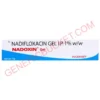



Nadoxin Cream (Miconazole 1%) 10gm
Price range: $26.00 through $90.00
| Country of Origin | india |
|---|---|
| Dosage Form | Cream |
| Generic Name | Nadifloxacin |
| Indication | Skin infections |
| Packaging | 10 gm in 1 tube |
| Manufacturer | Wockhardt Ltd |
| Composition | Nadifloxacin (1% w/w) |
| Nadoxin Cream (Miconazole 1%) 10gm | |||
| Pack Size | Price | Price/Unit | Add To Cart |
| 2 Tube/s | $26.00 (13/unit) | $13 | |
| 4 Tube/s | $48.00 (12/unit) | $12 | |
| 8 Tube/s | $90.00 (11.25/unit) | $11.25 | |
Nadoxin Cream is a topical antibiotic containing nadifloxacin 1% w/w, used for certain bacterial skin infections and acne vulgaris. It works directly on affected skin and helps control susceptible bacteria that can contribute to inflammation and breakouts. If your healthcare professional has recommended Nadoxin Cream, using it exactly as directed can support effective treatment while reducing unnecessary antibiotic exposure.
This medicine is intended for external use. It should not be described as a universal “cure” for every type of acne because acne can have several causes, including excess oil, blocked pores, inflammation, and hormonal influences. Antibiotic treatment mainly addresses the bacterial component and should form part of an appropriate treatment plan when prescribed. A clinical review also notes that non-antibiotic acne treatments may be preferable when appropriate, helping limit unnecessary antibiotic use.
What Is Nadoxin Cream Used For?
Nadoxin Cream is primarily used as a topical antibacterial treatment for acne vulgaris and selected superficial bacterial skin infections. Available product information identifies nadifloxacin 1% as its active ingredient and describes its antibacterial action against susceptible organisms.
Your clinician may recommend this treatment when bacterial involvement contributes to inflamed pimples or a superficial skin infection. It is not appropriate for every rash, fungal infection, viral infection, or non-infectious skin condition. Correct diagnosis matters because using an antibiotic when bacteria are not responsible may provide little benefit and can contribute to antibiotic resistance.
How Does Nadoxin Cream Work?
Nadoxin Cream contains nadifloxacin, a topical fluoroquinolone antibiotic. Nadifloxacin interferes with bacterial DNA-related enzymes, including DNA gyrase and topoisomerase IV. These enzymes help bacteria replicate and repair their genetic material. Blocking these processes prevents susceptible bacteria from multiplying and can ultimately lead to bacterial death.
By reducing susceptible bacteria on treated skin, the medicine can help decrease bacterial contribution to inflammation. However, improvement in acne does not happen instantly. Continue treatment for the duration prescribed rather than applying extra cream in an attempt to accelerate results.
How to Apply Nadoxin Cream
Before applying Nadoxin Cream, gently cleanse the affected area and allow the skin to dry. Apply a thin layer to the affected area according to your prescriber’s directions. Wash your hands before and after application unless your hands themselves are being treated. Product information specifically advises external use and avoiding direct contact with the eyes and other sensitive areas.
Do not cover treated skin with airtight bandages unless your healthcare professional specifically recommends this. Avoid getting the medicine into your eyes, mouth, or nose. If accidental eye exposure occurs, rinse thoroughly with water and seek medical advice if irritation continues.
Use the medicine consistently according to your prescription. Do not use a larger amount, apply it more frequently, or continue treatment longer than instructed. More medicine does not necessarily produce faster improvement and may increase local irritation.
Benefits and Expected Results
When appropriately prescribed, Nadoxin Cream offers localized antibacterial treatment without requiring you to apply an oral antibiotic to the entire body. This targeted approach can be useful when a clinician identifies susceptible bacterial involvement in acne or a superficial skin infection.
The main potential benefit is reduction of bacterial activity, which may help improve inflammatory lesions over time. However, results vary from person to person. Your response depends on the severity and type of acne or infection, adherence to treatment, skin sensitivity, and whether additional treatments are necessary.
Possible Side Effects
Some people using Nadoxin Cream may experience local reactions such as burning, itching, redness, irritation, or dryness. Product information lists application-site irritation among reported effects.
Mild irritation may occur during topical treatment, but severe, persistent, or worsening symptoms deserve medical attention. Stop using the product and contact a healthcare professional if you develop significant swelling, severe skin reactions, or symptoms suggesting an allergic response.
Avoid applying the cream to areas not intended for treatment. Tell your clinician about allergies to nadifloxacin, quinolone antibiotics, or any ingredient in the formulation before starting therapy.
Important Precautions
Use Nadoxin Cream only according to professional medical advice. Because it contains an antibiotic, unnecessary or prolonged use can contribute to antimicrobial resistance. Do not share the cream with another person, even if that person appears to have similar pimples or skin symptoms.
Tell your healthcare professional about other topical medicines, cosmetics, or prescription treatments you use on the same area. Combining several irritating products can increase skin discomfort. Pregnant or breastfeeding patients should discuss treatment with their healthcare professional before use because individualized assessment may be appropriate.
Keep the tube tightly closed and store it according to the product label. One product label specifies storage at temperatures not exceeding 30°C and advises protecting the medicine from freezing.
Why Choose the Right Treatment?
Choosing an acne treatment based on the actual cause of your skin problem can make treatment more effective and safer. Nadoxin Cream may be appropriate when a clinician determines that a susceptible bacterial component warrants topical antibiotic therapy. It should not replace professional evaluation when acne is severe, painful, widespread, scarring, or resistant to treatment.
If your healthcare professional has prescribed this product, order it from a reputable pharmacy that follows applicable prescription and medicine-safety requirements. Review the product strength, manufacturer, packaging, expiry date, and prescription instructions before use.
Frequently Asked Questions
1. What is Nadoxin Cream?
Nadoxin Cream is a topical antibiotic containing nadifloxacin 1% w/w. It is used for certain bacterial skin infections and acne vulgaris when prescribed appropriately.
2. Can Nadoxin Cream cure acne permanently?
No topical antibiotic can guarantee a permanent cure for acne. Nadoxin Cream can address susceptible bacterial involvement, but acne often requires a broader, individualized treatment approach.
3. How often should I use Nadoxin Cream?
Follow the frequency provided by your prescriber and the instructions on your specific product. Do not increase applications without professional advice.
4. Can I apply it near my eyes?
No. Keep Nadoxin Cream away from the eyes and other sensitive areas. If accidental contact occurs, rinse thoroughly with water.
5. What side effects can occur?
Possible local effects include irritation, redness, itching, burning, and dryness. Contact your healthcare professional if symptoms become severe or persistent.
Related products
Anti fungal

Anti fungal
Anti fungal

Anti fungal
Anti fungal
Anti fungal
Anti fungal

Anti fungal
Anti fungal

Anti fungal

Anti fungal
Anti fungal